Stamped Concrete Services for Your Home
Stamped concrete is regular concrete with color and texture added while it is still soft. The result can look like slate, brick, cobblestone or wood, but it is poured as one solid slab. Many homeowners like it for patios, walkways and pool surrounds because the look is rich and the surface is firm underfoot.
It is fine to feel unsure about a choice this big. Declaredswim Concrete is a referral service, not a contractor. We connect you with independent providers in our network. They visit, explain their approach and give you a written estimate. You compare, ask questions and decide at your own pace. Nothing is required of you.
Stamped Concrete in Detroit: Where to Begin
Maybe you saw a patio that looked like real stone and wondered how it was done. Maybe your plain gray slab feels tired. Either way, it is normal to have questions before spending money on your yard.
Declaredswim Concrete is a referral service. It connects you with independent local providers, and those providers do the work. Our job is to help you start, then step back.
Mind the Weather Window
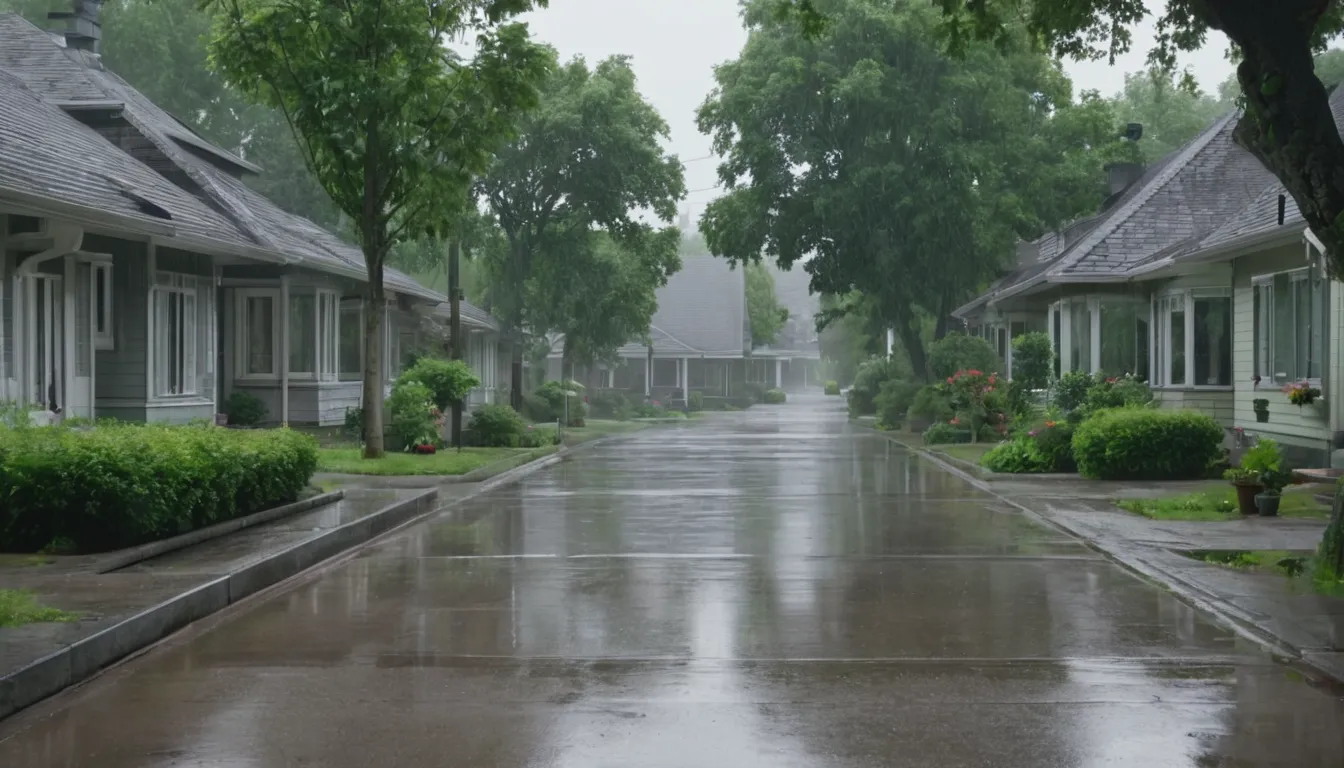
Concrete needs mild, dry days to pour and cure well. In the Detroit area, deep frost, spring flooding and summer storms can shorten that window. If you want a stamped surface this year, start comparing estimates early. Provider calendars tend to fill when the weather is kind.
How Stamped Concrete Is Made
A provider clears the area, sets wooden forms and lays a firm gravel base. Next comes the pour. Color is mixed in or brushed on top. Before the concrete hardens, workers press texture mats into it. Those mats leave the lines of stone, brick or planks.
Why the Base Matters Most
Most problems start below the surface. A thin base, soft soil or poor drainage can lead to cracks later. Ask every provider how they will prepare the ground and where rain will run. Good concrete flatwork begins with a solid base, not a pretty pattern.
Popular Patterns and Colors
Here are looks homeowners ask about often:
- Ashlar slate, with irregular stone shapes
- Running-bond brick, tidy and classic
- Wood plank, with grain and gentle lines
- Cobblestone, for a rounded, old-world feel
Color can be mixed through the whole slab or added on the surface. Soft tan, warm gray and muted brown are common. They hide dust and suit most homes.
Matching an Older Home
Bungalows, ranch homes and frame houses from many decades ago often look lovely with warm brick or quiet stone tones. Keep it simple. Ask to see sample boards outside, in daylight, next to your siding.
Where Stamped Concrete Works Well
Stamped concrete patios are the most popular use. It also suits walkways, pool surrounds, porch landings and garden paths. The slab can curve around beds and trees, which is harder to do with many other materials.
Near the House
If your home has a full basement and a sump pump, ask where the new slab will slope. Water should drain away from the walls. If you already see settling or gaps near the foundation, talk with foundation repair experts before any new slab goes in.
Stamped Concrete vs. Pavers
Both can look great. Stamped concrete is one continuous surface, so weeds have fewer places to grow. Pavers are separate pieces, so a single stone can be lifted and replaced. Frost can shift pavers over time, while a slab may crack if the base is weak.
Stamped work often costs less than a large paver patio, but quotes vary. Ask for both options in writing and compare them side by side.
How Long the Job Takes
A typical patio takes a few working days for prep, pouring and stamping. Curing takes longer. Light foot traffic is often fine after a few days. Furniture usually waits about a week. Full use and sealing may wait closer to a month. Your provider will give the real schedule.
Early Signs to Watch For
Notice it early. Small changes are easier to deal with than big ones.
On a New Slab
Look for flaking, patchy color, soft spots or water that sits in puddles. Take photos and share them with your provider while any workmanship terms still apply.
On an Older Stamped Surface
Watch for fading, rough sealer, hairline cracks and gaps at the edges. A crack that widens may point to soil movement. Some cracks call for concrete driveway repair or patching methods, and others mean replacement. A provider can tell you which fits your case.
Caring for Stamped Concrete
Sweep often and rinse with mild soap and water. Seal the surface every couple of years, as most providers advise. Skip rock salt, which can pit the top layer in cold months. Use a plastic shovel in winter. After a hail storm, look the surface over for chips.
Choosing a Stamped Concrete Provider
A good provider will gladly answer questions. Consider asking:
- Can I see photos of stamped work from past seasons?
- How will you prepare and drain the base?
- What sealer do you use, and how often should it be redone?
- Is the estimate written, and what does it include?
- What warranty terms apply?
Compare, Then Decide
Gather two or three written estimates. Check that each lists the size, pattern, color, base work and sealing. A big gap in price often means the plans are different, so ask why. Take your time. You can say no to any of them.
One calm next step is enough for today. Request an estimate, read what comes back and choose when you feel ready.
What's Included
Pattern Choice
Providers show stone, brick, slate or wood looks so you can see what fits your home.
Color and Finish Options
Talk through tints, accent shades and sealers that suit your yard and your climate.
Base and Drainage Plan
A good estimate explains how the ground is prepared and where rain will flow.
Written Estimate Details
Ask for size, materials, sealing and timing on paper so quotes are easy to compare.
Typical Stamped Concrete Costs
Prices vary with size, pattern, color, soil and local rates. These are typical U.S. ranges to help you plan. Always ask for a written quote before you decide on anything.
| Item | Typical range | Notes |
|---|---|---|
| Stamped patio, per sq. ft. | $12 – $20 | Depends on pattern and detail |
| Plain concrete slab, per sq. ft. | $6 – $12 | Useful as a comparison point |
| Added color or accents, per sq. ft. | $1 – $4 | Surface color costs more for rich tones |
| Sealing, per sq. ft. | $1 – $3 | Usually needed again every few years |
| Removing an old slab, per sq. ft. | $2 – $6 | Higher if access is tight |
| Typical 300 sq. ft. stamped patio | $4,000 – $9,000 | Total varies by site and design |
How It Works
Share Your Plans
Tell us the size, the look you like and your timing. A short request form works well.
Get Matched Locally
Declaredswim Concrete connects you with independent providers in our network who handle stamped concrete.
Compare Written Estimates
Look at patterns, base work, sealing and timing across each estimate, and ask questions.
Decide at Your Pace
Choose a provider, or wait. The provider does the work and the decision is yours.
Why Call Declaredswim Concrete
Compare Before You Commit
Review several providers' estimates side by side, with no pressure to pick one.
Local Providers
Independent providers in our network know frost, storms and soil in your area.
Plain Answers
Ask your questions in everyday words and expect clear replies about materials and timing.
Your Pace
There is no obligation, so you can pause, think and choose when it feels right.
Other Services
Need stamped concrete services in Detroit?
Planning a new driveway, stamped surface or patio? Send a few details through the request form, or Request a callback to check provider availability. There is no obligation to hire anyone.
No obligationStamped Concrete Services FAQ
How long does stamped concrete last?
With a sound base and regular sealing, stamped concrete can last for many years. Cold winters, de-icing salt and heavy storms wear it faster, so ask each provider how they plan for your climate.
Does stamped concrete crack in cold winters?
Any concrete can crack when frost moves the soil under it. A well-prepared base, proper joints and good drainage lower the risk. Ask providers how they build for deep frost, and get the plan in writing before you agree.
Is stamped concrete cheaper than pavers?
It often costs less for larger areas, but prices vary by design, soil and local rates. The fair way to know is to request written estimates for both and compare what each one includes.
Reach a local provider
Planning a new driveway, stamped surface or patio? Send a few details through the request form, or Request a callback to check provider availability. There is no obligation to hire anyone.
No obligation